Should You Renovate Before Selling?
- Jul 15
- 3 min read

Many homeowners wonder whether renovating before selling will increase their home's value. The answer depends on your budget, your local market, and the condition of your property. While some improvements can help your home sell faster and attract higher offers, others may not provide a strong return on investment. The goal is to make smart, cost-effective updates that appeal to the widest range of buyers.
When Renovating Makes Sense
Renovations may be worthwhile if your home:
Has outdated features that discourage buyers
Needs repairs that could affect a home inspection
Is competing with newer or recently updated homes
Has visible wear and tear that impacts first impressions
In these cases, targeted improvements can make your property more competitive.
High-Return Improvements
These upgrades often provide the best value when preparing to sell:
Fresh Paint
A fresh coat of neutral paint can:
Brighten rooms
Make spaces feel larger
Appeal to more buyers
Give the home a clean, move-in-ready appearance
Choose colors like white, light gray, beige, or greige.
Minor Kitchen Updates
Instead of a full remodel, consider:
Painting cabinets
Replacing cabinet hardware
Installing a new faucet
Updating light fixtures
Adding a modern backsplash
These affordable improvements can refresh the kitchen without a major investment.
Bathroom Refresh
Simple bathroom updates include:
Replacing old faucets
Installing new mirrors
Re-caulking tubs and showers
Updating lighting
Adding fresh towels and accessories
A clean, modern bathroom leaves a positive impression.
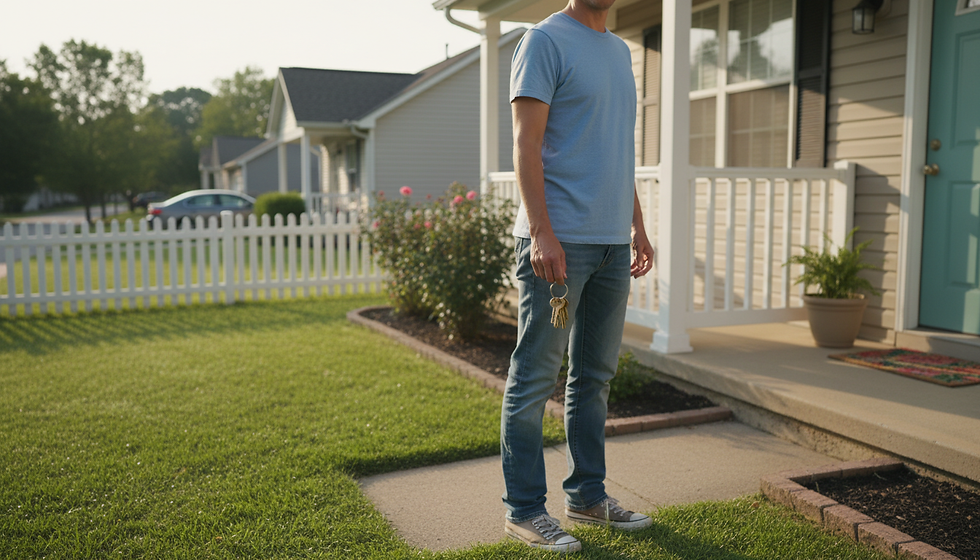
Improve Curb Appeal
The exterior sets the tone for buyers.
Consider:
Landscaping
Fresh mulch
Pressure washing
Painting the front door
Updating outdoor lighting
Repairing walkways
A welcoming exterior can increase buyer interest before they even step inside.
Repairs You Shouldn't Ignore
Before spending money on cosmetic upgrades, fix issues that buyers or inspectors are likely to notice.
Prioritize:
Roof leaks
Plumbing leaks
Electrical problems
HVAC issues
Broken windows
Foundation concerns
Water damage
Addressing these problems can prevent delays during negotiations.
Renovations That May Not Pay Off
Some expensive projects don't always increase your selling price enough to recover their cost.
Examples include:
Luxury kitchen remodels
High-end bathroom renovations
Custom home theaters
Swimming pools (in some markets)
Premium landscaping with ongoing maintenance needs
These features may appeal to some buyers but not enough to justify the investment.
Consider Your Local Market
Every housing market is different.
If similar homes nearby have updated kitchens and bathrooms, making modest improvements may help you stay competitive. If buyers are purchasing homes "as-is" due to high demand, major renovations may not be necessary.
Research recent comparable sales to understand buyer expectations in your area.
Budget-Friendly Improvements
You don't have to spend thousands to make your home more attractive.
Affordable upgrades include:
Deep cleaning
Decluttering
Home staging
Replacing worn carpets
Updating light fixtures
Installing modern cabinet hardware
Cleaning windows
Repainting high-traffic areas
These changes can make a noticeable difference without stretching your budget.
Questions to Ask Before Renovating
Before starting a project, consider:
Will this improvement attract more buyers?
Is the renovation likely to increase my home's value?
How long will the project take?
Will I recover most of the cost?
Could the money be better spent on repairs or staging?
Answering these questions can help you prioritize improvements that offer the best return.
Common Mistakes to Avoid
Overspending on luxury upgrades
Choosing trendy finishes that may quickly go out of style
Ignoring necessary repairs while focusing on cosmetic changes
Starting renovations without a clear budget
Delaying your listing for projects that offer minimal value
Final Thoughts
Renovating before selling can be a smart investment—but only if you focus on improvements that buyers truly value. Fresh paint, minor kitchen and bathroom updates, necessary repairs, and strong curb appeal often provide the best return. Rather than undertaking expensive remodels, prioritize cost-effective upgrades that make your home feel clean, well-maintained, and move-in ready. A thoughtful approach can help you attract more buyers, sell faster, and maximize your home's value.