
10 Biggest Home Selling Mistakes to Avoid for a Faster, More Profitable Sale
- 5 days ago
- 5 min read
A home can sit for weeks because of small choices made before the first showing. Price, prep, photos, repairs, and timing all matter. The good news: most seller mistakes are easy to avoid when you spot them early.

Price and preparation mistakes can slow the sale
1. Overpricing the home
Overpricing is one of the fastest ways to lose buyer interest. Buyers compare homes online before they ever schedule a showing. If the price looks high, they skip it.
A common example: a seller lists at $525,000 because a neighbor sold for $520,000. But the neighbor’s home had a renovated kitchen and newer roof. After three quiet weeks, the seller drops the price. By then, buyers wonder what is wrong with the property.
How to avoid it:
Review recent comparable sales.
Look at homes that are pending, not just active.
Price based on condition, location, and buyer demand.
Adjust fast if showings are weak.
2. Ignoring needed repairs
Small repair issues can feel bigger during a showing. A dripping faucet, cracked tile, or loose railing sends the wrong message. Buyers may assume larger problems are hiding.
One seller skipped a $200 plumbing repair before listing. During inspection, the buyer asked for a much larger credit because they worried about water damage. The cheap fix became a negotiation problem.
Before listing, walk through the home like a buyer. Fix obvious items first:
Leaky faucets
Sticking doors
Broken light switches
Damaged screens
Peeling paint
Loose handrails
Small repairs build trust.
3. Skipping a pre-listing inspection
Some sellers avoid inspections because they fear bad news. That can backfire. A surprise inspection issue can delay closing or kill the deal.
For example, a buyer may discover an aging electrical panel after making an offer. If the seller has no plan, the buyer may ask for a large concession or walk away.
A pre-listing inspection gives more control. It helps decide what to repair, what to disclose, and how to price the home. It also reduces last-minute stress.
4. Letting clutter stay in place
Clutter makes rooms feel smaller. It also distracts buyers from the home itself. Family photos, piles of mail, crowded closets, and full countertops all work against the sale.
A seller once received repeated feedback that the bedrooms felt tight. The rooms were a normal size, but extra furniture blocked walking paths. After removing two dressers and clearing closets, the next round of showings improved.
Keep it simple. Pack early. Clear flat surfaces. Leave space in closets. Buyers want to picture their own life in the home.

Presentation mistakes make buyers move on
5. Poor staging
Staging does not mean filling the home with expensive furniture. It means helping buyers understand each room.
A vacant home can feel cold. A crowded home can feel cramped. A poorly arranged home can hide good square footage.
One seller used a formal dining room as storage. Buyers kept asking what the space was supposed to be. After the seller added a table, simple chairs, and a clean light fixture, the room finally made sense.
Staging basics work:
Use each room for its intended purpose.
Remove bulky furniture.
Add lamps to dark corners.
Use neutral bedding and towels.
Keep decor simple.
6. Using weak listing photos
Online photos create the first showing. Dark, tilted, blurry, or poorly framed photos can make a good home look average.
A seller with a bright, updated home used quick phone photos on a cloudy evening. The home looked dim online. After new photos were taken on a sunny day, showings picked up.
Good photos need clean rooms, natural light, and wide but realistic angles. Do not hide flaws. Do show the home at its best.
7. Making showings difficult
Limited showing times can cost real offers. Buyers often tour several homes in one day. If access is hard, they move to the next property.
One seller allowed showings only on weekends between 1 p.m. and 3 p.m. They missed buyers relocating from out of state during the week. After opening more time slots, traffic improved.
Make showings easy when possible. Leave the house clean. Take pets out. Turn on lights. Keep instructions simple.

Deal mistakes can reduce profit or break trust
8. Hiding known problems
Failing to disclose known issues can create legal and financial trouble. It also damages trust once the buyer finds out.
For example, a seller may know the basement took on water during heavy rain. If the buyer discovers patched walls during inspection, they may question every part of the deal.
Disclose known material issues as required by your state. Keep repair receipts. Be honest about past problems and what was done to fix them.
9. Taking negotiations personally
Selling a home can feel emotional. Buyers may ask for credits, repairs, or a lower price. That does not mean they dislike the home.
One seller rejected a strong offer because the buyer requested a small appliance credit. The home stayed listed for another month and later sold for less.
Focus on the net result. Look at price, contingencies, closing date, repair requests, and buyer strength. The best offer is not always the highest number.
10. Choosing the wrong time to list
Timing affects buyer traffic. Listing right before a major holiday, during bad weather, or before the home is ready can limit attention.
A seller rushed to list before finishing paint touch-ups and yard cleanup. The early photos showed unfinished work. Buyers remembered that first impression even after the fixes were done.
List when the home is ready. That means clean, repaired, staged, photographed well, and priced correctly. A strong launch matters because fresh listings get the most attention.
If you want help avoiding these home selling mistakes, contact Ally Jolly Real Estate before you list.
FAQ
Should I renovate before selling?
Only if the project is likely to help the sale. Small updates, paint, lighting, hardware, and repairs often make more sense than major renovations.
How do I know if my home is overpriced?
Watch showing activity and feedback. If similar homes are getting offers and yours is not getting showings, the price may be too high.
Is staging worth it for an occupied home?
Yes, even light staging helps. Rearranging furniture, removing clutter, and adding clean bedding can make rooms feel larger and more inviting.
What should I fix first before listing?
Start with visible problems and safety issues. Buyers notice leaks, broken fixtures, damaged flooring, peeling paint, and poor lighting.
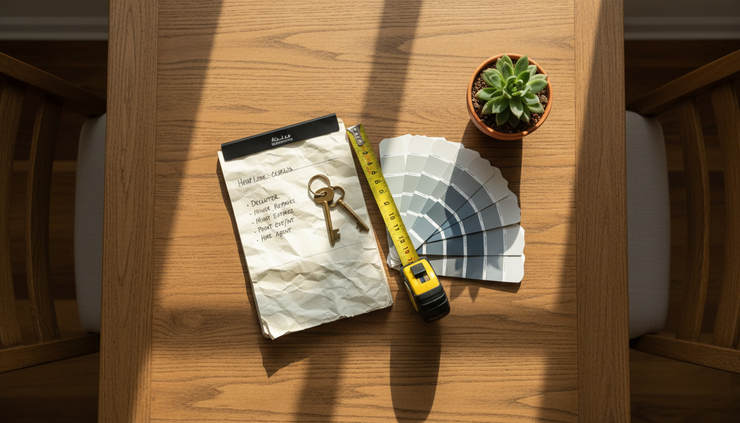
A smoother sale starts before the listing goes live
The best sale is rarely an accident. It comes from clear pricing, clean presentation, smart repairs, easy showings, and honest negotiation.
Avoiding the 10 biggest home selling mistakes to avoid for a faster, more profitable sale gives the home a better chance from day one. Prepare first. List with confidence. Then make decisions based on facts, not stress.


